TrackRider
Real track geometry. Measured
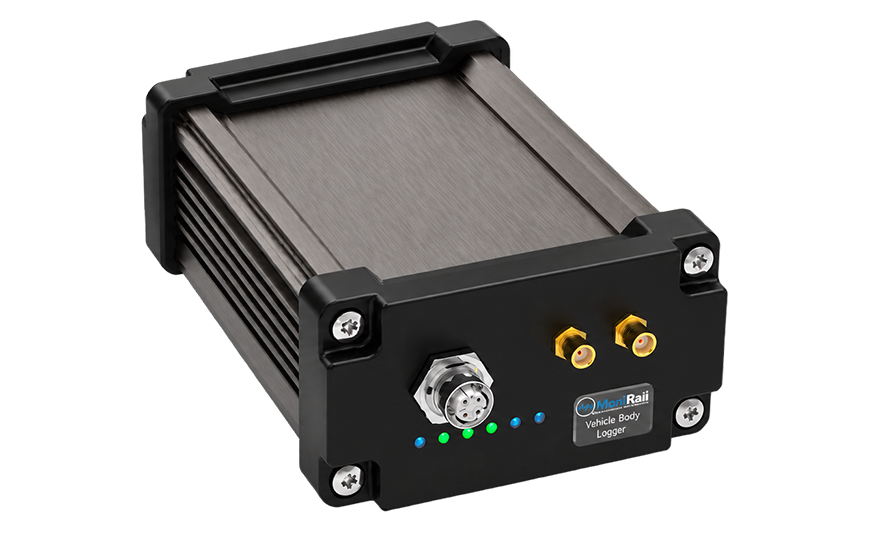
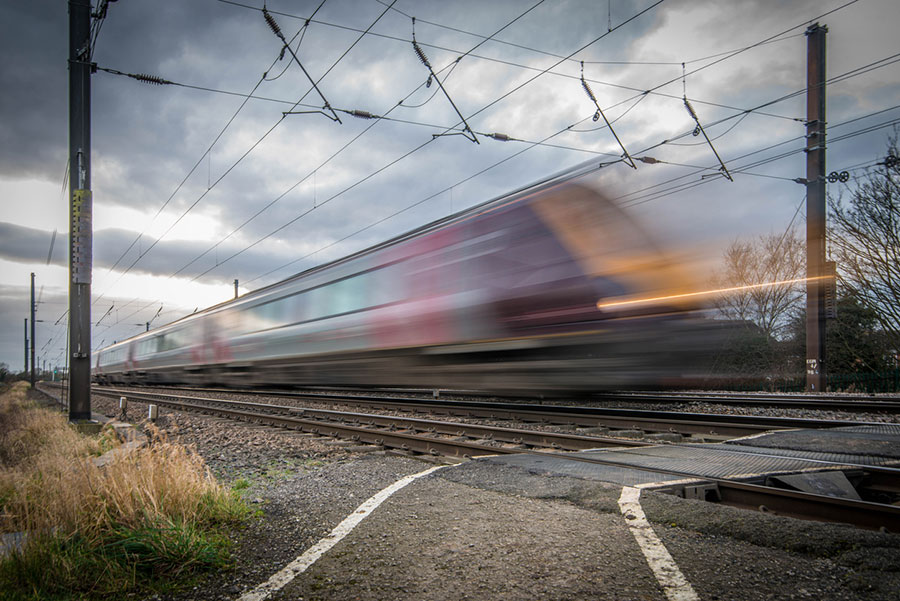
TrackRider turns everyday passenger or freight services into a continuous monitoring fleet.
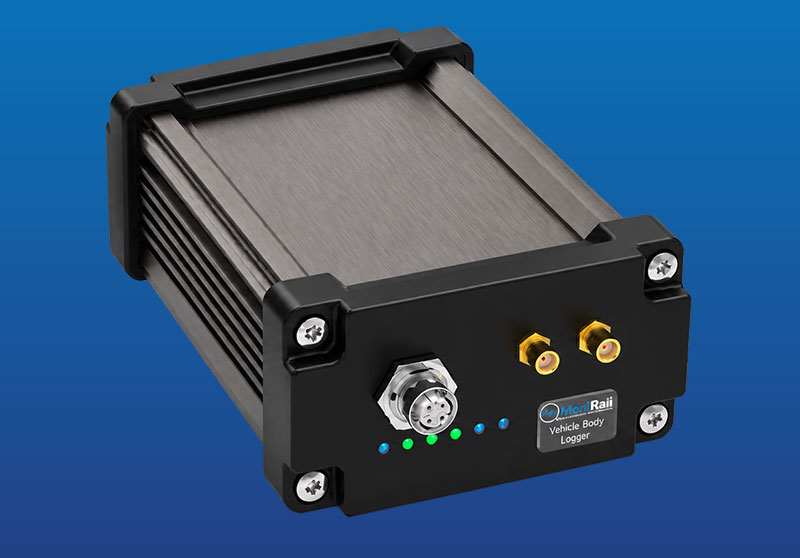
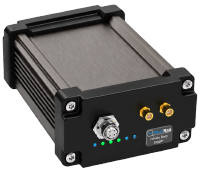
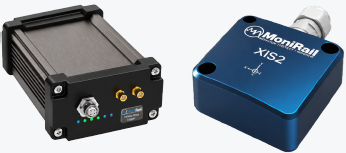
A single compact unit, fitted to the train body on the secondary suspension, rides along on in-service journeys gathering data as it goes.
As the train runs, TrackRider measures how the vehicle is behaving and what the track beneath it is doing to cause that behaviour. Position and timing are supplied by an onboard GNSS module. Each reading is automatically uploaded over 4G, processed in the cloud and presented on a dashboard accessible to engineers from any location.
Measure. Analyse. Inform.


Accurate measurement
Continuous track monitoring
Trend identification
Protect asset condition
and passenger safety
TRUSTED BY RAIL OPERATORS AND INFRASTRUCTURE OWNERS WORLDWIDE





Rough ride detection and vehicle dynamic behaviour
The Trackrider system measures vehicle body motion to identify rough ride events and quantify their severity. The assessment combines ride comfort analysis based on EN 12299 with vehicle dynamics and selected pseudo track geometry parameters. Vehicle stability is also assessed using criteria based on EN 14363. Together, these analyses improve rough ride detection and provide objective measurements that help operators understand the severity of an event.
Trackrider provides engineers with accurate data about vehicle performance and its severity, whilst also providing an accurate position of the event. This data gives greater insight into driver rough ride reports, enables quicker and more appropriate interventions and can identify differences between different vehicles and vehicle types.
More Specific Capabilities
Rough Ride Detection and Ride Quality
Provides continuous measurement of lateral and vertical ride quality to EN12299. The system can alert when vehicles exceed customer defined thresholds
Operational Value:
Improved understanding of the causes of rough rides and their locations enables a transition away from driver reporting. Quicker inspection and more effective inspections through improved location accuracy and opens up the opportunity to apply vehicle specific speed restrictions for improved network performance
Pseudo Track Geometry
Derives indicative track geometry parameters from body-level movement (excluding gauge) that can be trended overtime. This provides a good indication of developing track faults and when combined with ride quality data can be used to infer potential root-causes for rough ride.
Operational value:
Full track geometry monitoring typically means using expensive laser-based systems or fitting sensors to the bogie and axles boxes or running a dedicated measurement train. TrackRider provides a useful, continuous proxy for track condition straight from the vehicle body, flagging changes so you can prioritise closer inspection.
Hunting Detection
Identifies lateral instability (“hunting”) in vehicle behaviour, supporting body running safety assessment with additional data, in line with EN 14363 and GMRT2141.
Operational value:
Continuous detection means it detects possible safety-relevant instability early, protecting both asset condition and passenger safety, and giving engineers documented, gradual trend data rather than a one-off observation.
Secondary Suspension Performance
Monitors body resonance frequency and secondary suspension behaviour over time, building a performance “signature” for each vehicle.
Why it matters:
Tracking suspension performance continuously spots gradual degradation before it causes a fault. Supplying the information needed for condition-based intervention from maintenance teams who can replace parts when required instead of on a fixed-interval schedule.
Key Benefits

Reduce risk
Catch developing issues before they become failures or incidents
Cut inspection costs
get continuous data from vehicles already in service, no dedicated survey runs
Move from reactive to proactive maintenance
continuous condition monitoring helps identify developing problems and supports maintenance decisions before faults occur
Improve reliability
earlier identification of rough ride events and developing suspension faults supports timely maintenance, helping to reduce service disruption
Remote visibility
monitor asset condition remotely, any time
Why TrackRider
- Continuous monitoring using vehicles already in everyday service
- No dedicated measurement train or track possession required
- Low cost, fits beneath the train body, minimal footprint, minimal disruption to fit
- Combines ride quality, pseudo track geometry, hunting and suspension data in one unit
- Cloud-based dashboard accessible from anywhere
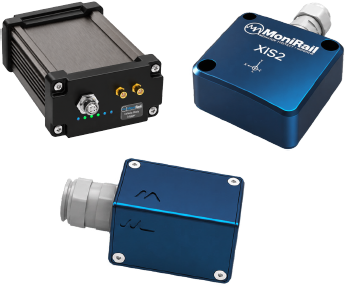
- Entry point into the MoniRail monitoring range, with the option to add bogie and axlebox sensors as monitoring requirements evolve.
Typical Users
Infrastructure Teams
Maintenance Engineers

Asset Managers
Operations Managers

Route Performance Teams
Compare Our Solutions
| Passenger | Freight | Hardware Systems | |
|---|---|---|---|
|
|
|
|
|
Everything in TrackRider and:
|
Everything in TrackRider and:
|
|
|
Everything in TrackRider+ and:
|
Everything in TrackRider+ and:
|
|
Ready to improve your track monitoring?
See how MoniRail can help you identify issues earlier, reduce delays and optimise maintenance.
Request a Demo
"*" indicates required fields